Academic pressures often contribute to heightened stress levels among students. That heightened stress can create huge obstacles to learning, studying, and succeeding in our courses. It’s a terrible cycle! Luckily […]
Library Pets!
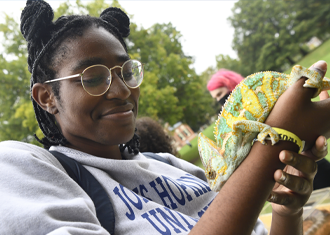

Academic pressures often contribute to heightened stress levels among students. That heightened stress can create huge obstacles to learning, studying, and succeeding in our courses. It’s a terrible cycle! Luckily […]
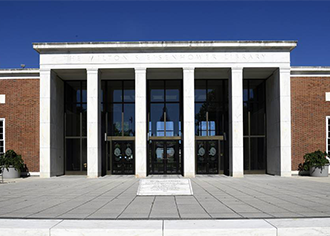
In an email message to students yesterday, Sheridan Libraries Dean Elisabeth Long and Homewood Student Affairs Vice Provost Rachelle Hernandez, shared the interim library service plan while Milton S. Eisenhower […]
WAIT, don’t click away! Of COURSE you’re tired of being swamped with info about artificial intelligence (AI). You realize that you should know at least a little about it, but […]

To all of our Muslim friends, family, students, colleagues, faculty, and staff, Ramadan Mubarak! In the face of the tumult and tragedy currently impacting the Ummah and the Muslim world, […]
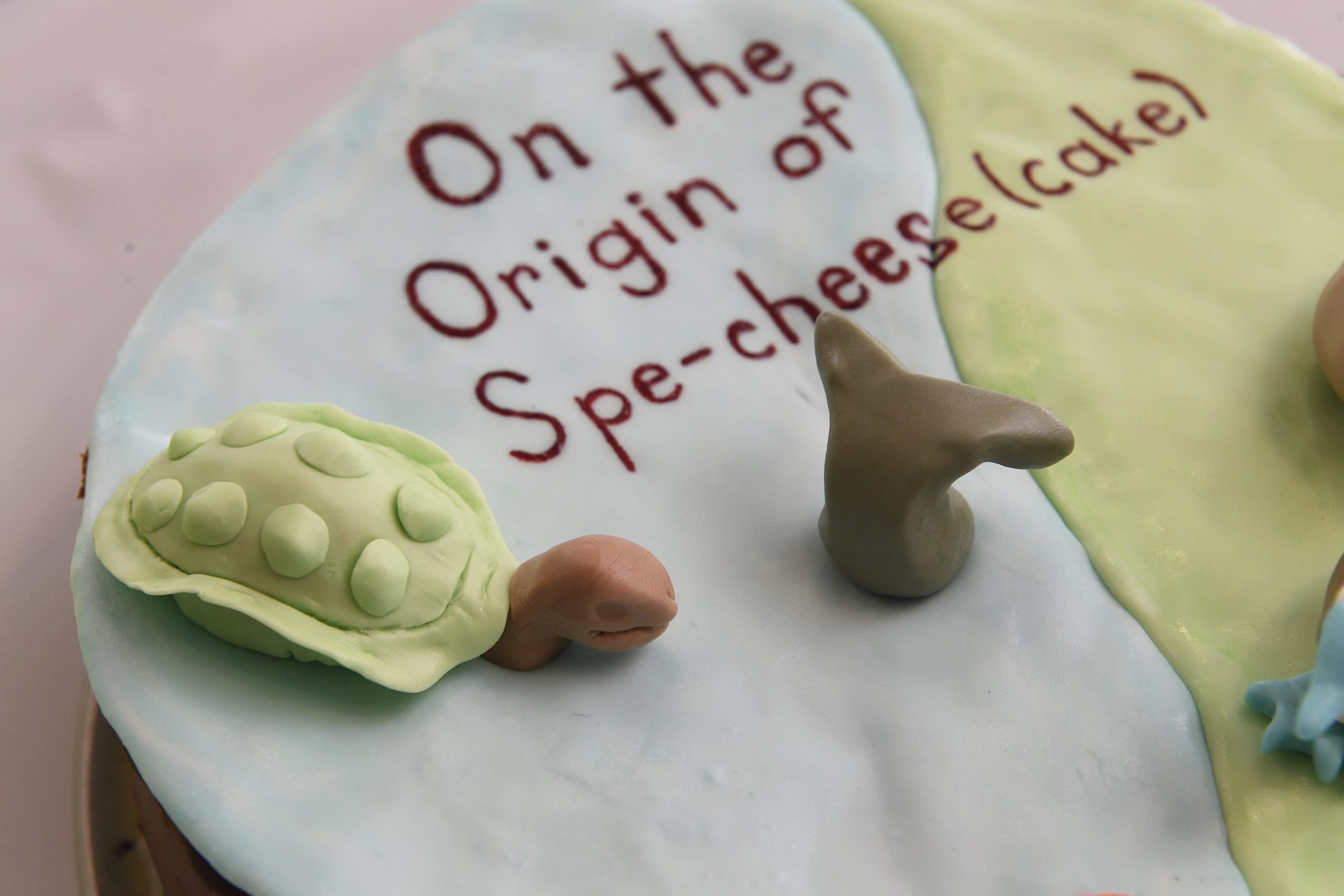
Dante, exiled from his beloved Florence, had but one wish regarding his literary legacy: to one day inspire the baking talents of students at The Johns Hopkins University. His sacred […]
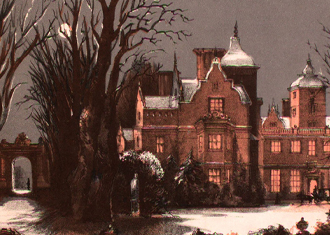
As we skate out of snowy season, let’s reflect on the coldest time of year with a few Winter-themed songs from the Lester Levy Sheet Music Collection. The Spring and […]
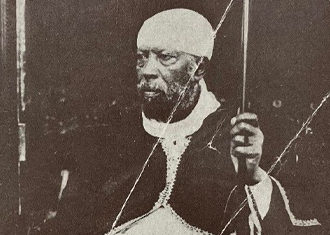
Preserved in Print, the current exhibition at the Milton S. Eisenhower Library, examines eminent figures of African descent–political leaders, journalists, poets, actors, scientists, and thinkers–as they were represented through printed […]
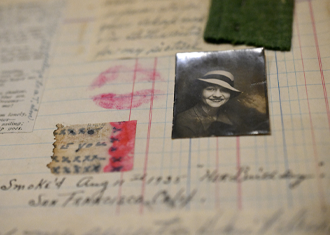
The wings of a very eccentric Cupid are hovering over Special Collections as we prep for a special Valentine’s Day treat! Join us from 6pm-8pm on Monday, February 12th in […]
Registration is now open for Love Data Week, February 12-16, 2024! Join Johns Hopkins Libraries for an exciting week-long series of online talks, panels, and workshops where we will discuss […]
The VRC welcomes you to the Spring semester with a few updates about Artstor’s final transition to JSTOR. The Artstor website will be retired on August 1, 2024. You are […]